This post is all about sinus congestion. So, do you have any of the following?
Blocked nose
Facial pressure
Headaches.
Post-nasal drip
Ear fullness
Brain fog
Did you know?
Your sinuses don’t drain on their own
They rely on your lymphatic system.
When lymph flow slows, the sinuses back up.
Understanding the Sinus–Lymph Connection
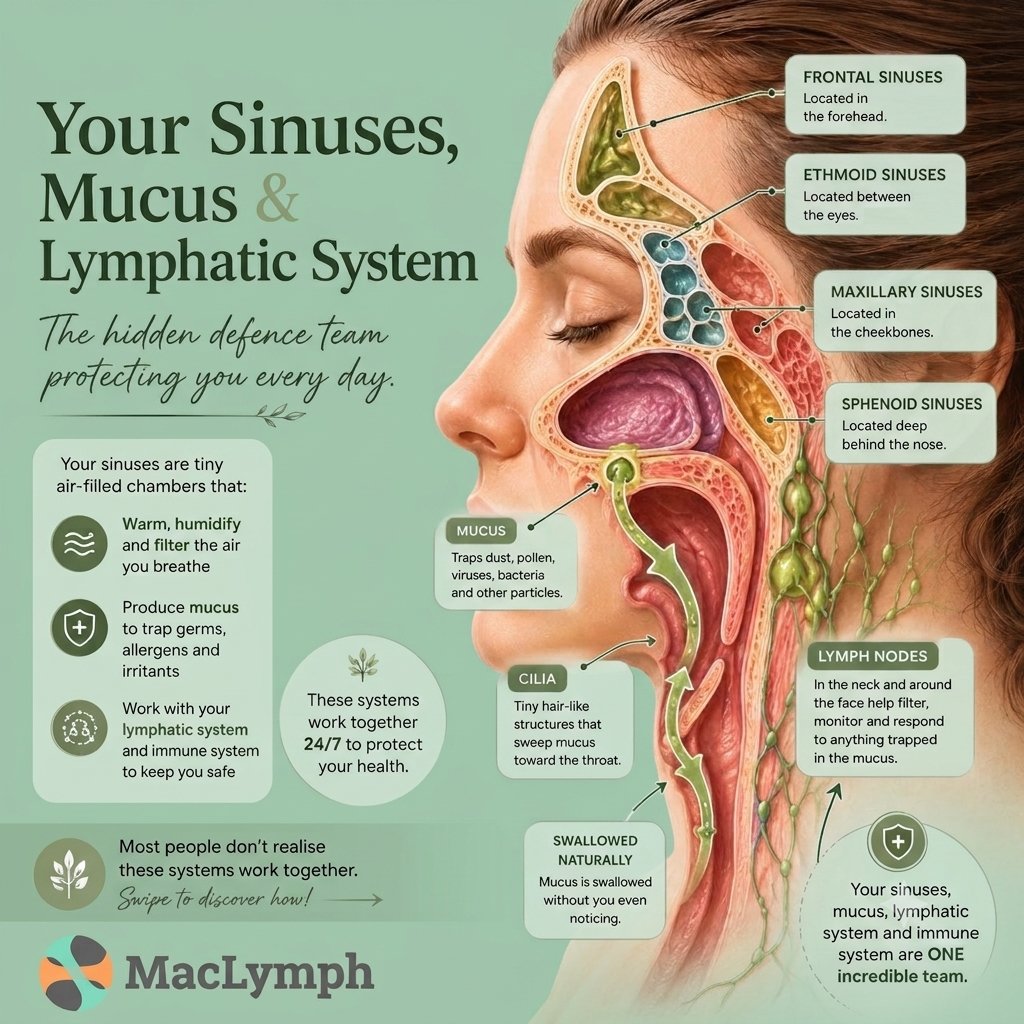
Your sinuses are hollow air-filled spaces in the skull that constantly produce mucus to:
• Trap pathogens
• Filter air
• Protect the brain and lungs
But mucus must drain. That drainage happens through:
• Lymph vessels
• Cervical (neck) lymph nodes
• Facial lymph pathways
If lymph is congested → mucus has nowhere to go.
Why Sinuses Get “Stuck”
Sinus congestion is rarely just a local problem. It’s usually a drainage problem.
Lymph Congestion in the Neck & Chest
Lymph from the face and sinuses drains downward into:
• Neck lymph nodes
• Collarbone (supraclavicular) nodes
• Chest lymph ducts
If these areas are tight, inflamed, or stagnant:
• Sinuses cannot empty
• Pressure builds
• Inflammation lingers
You cannot drain the sinuses if the neck is blocked
Chronic Inflammation & Immune Load
Allergies, infections, mold exposure, gut inflammation, dental issues, and chronic stress increase:
• Mucus production
• Immune debris
• Lymphatic workload
When the load exceeds drainage capacity → congestion becomes chronic.
Poor Nasal Breathing & Mouth Breathing
Mouth breathing dries the sinuses and:
• Thickens mucus
• Reduces nitric oxide (important for sinus health)
• Slows natural clearance
Nose breathing = lymph-friendly breathing
Nervous System Tension (Especially Vagus Nerve)
The vagus nerve influences:
• Sinus drainage
• Inflammation
• Mucus regulation
Chronic stress, trauma, neck tension, or poor posture can:
• Reduce drainage
• Increase facial tightness
• Create recurring sinus pressure
Dehydration & Thick Mucus
When the body is dehydrated (even mildly):
• Mucus thickens
• Lymph slows
• Drainage becomes sticky and sluggish
Thick mucus = slow lymph
Why Sinus Issues Keep Coming Back
Antihistamines, sprays, and antibiotics may reduce symptoms — but they often:
• Dry mucus further
• Suppress drainage
• Ignore the lymphatic root
That’s why sinus problems:
• Return repeatedly
• Become “chronic”
• Shift from side to side
• Flare with stress or fatigue
How to Support Sinus Drainage the Lymphatic Way
✔️ Open the Drainage Path FIRST
Before working on the face:
• Collarbone area
• Neck lymph nodes
• Chest lymph flow
Drain down before you drain out
✔️ Gentle Lymphatic Techniques
• Manual lymphatic drainage (MLD)
• Light facial lymph massage
• Dry brushing (neck & chest)
• Very gentle pressure (never deep)
✔️ Support Breathing
• Nasal breathing
• Slow exhalations
• Humming (stimulates nitric oxide)
• Diaphragmatic breathing
✔️ Hydrate for Flow
• Warm fluids
• Trace minerals
• Avoid excessive caffeine during congestion
✔️ Reduce Inflammatory Load
• Address gut inflammation
• Support liver detox
• Reduce dairy and mucus-forming foods if needed
• Address dental or jaw tension if present
The Most Important Reframe
Sinus congestion is not your body attacking you.
It’s your body saying:
“I can’t drain”
“The pressure is building”
“I need support, not suppression.”
When lymph flow improves
Pressure eases
Mucus clears
Breathing improves
Headaches reduce
Brain fog lifts
Final Thought
If your sinuses feel blocked, start looking down the neck, not just up the nose.
Where lymph flows, sinuses follow.
Content Credit to Lymphatica https://www.facebook.com/LymphaticaSA
Posted on August 9, 2026
Tags: brain fog, headaches, lymph, MLD, mucus, sinus
-
Sinus Congestion: When It’s Not Your Sinuses — It’s Your Lymph!
This post is all about sinus congestion. So, do you have any of the following? Blocked nose Facial pressure Headaches. Post-nasal drip Ear fullness Brain fog Did you know? Your sinuses don’t drain on their own They rely on your lymphatic system. When lymph flow slows, the sinuses back up. Understanding the Sinus–Lymph Connection Your […] More...
-
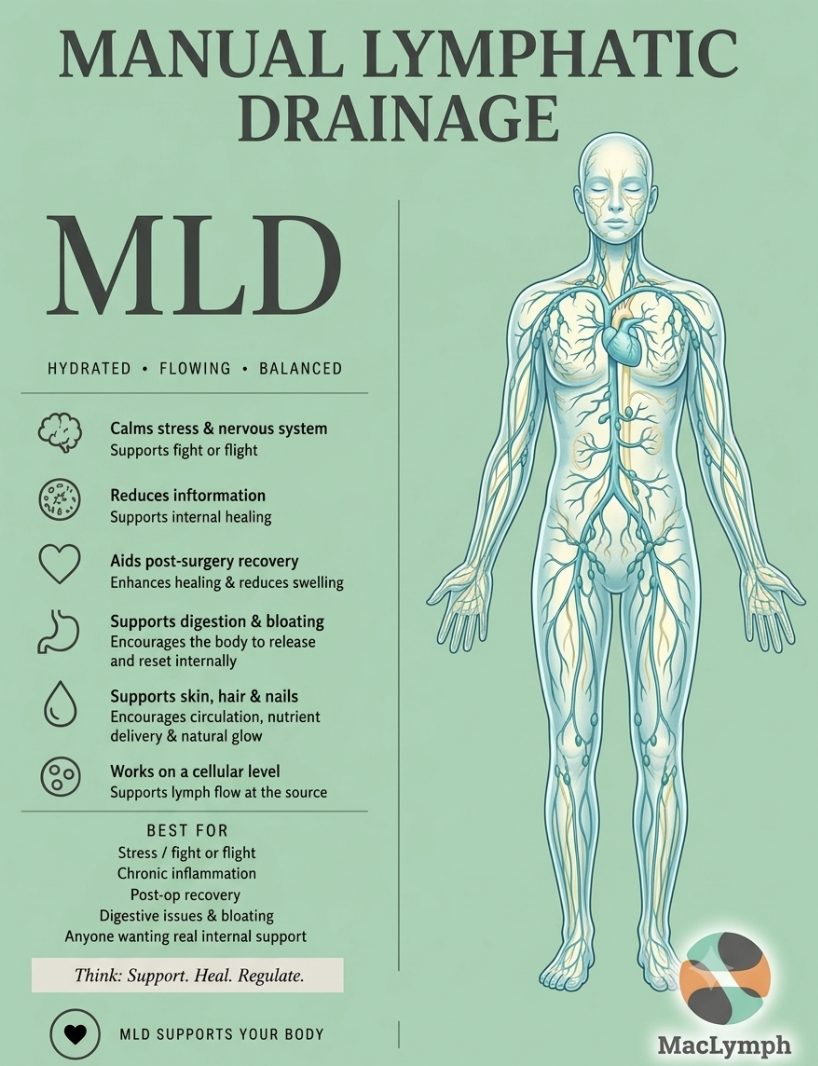
Lymphatic Treatments , so what is MLD?
July 23, 2026
Have you noticed that there is an abundance of information “lymphatic” out there. Are you getting inundated on your socials with lymphatic this that and the other? It can become a little overwhelming. To clarify what I offer, I am chatting about what am Certified in, the fabulous Vodder Manual Lymphatic Drainage (MLD) technique. Who […] More...
-
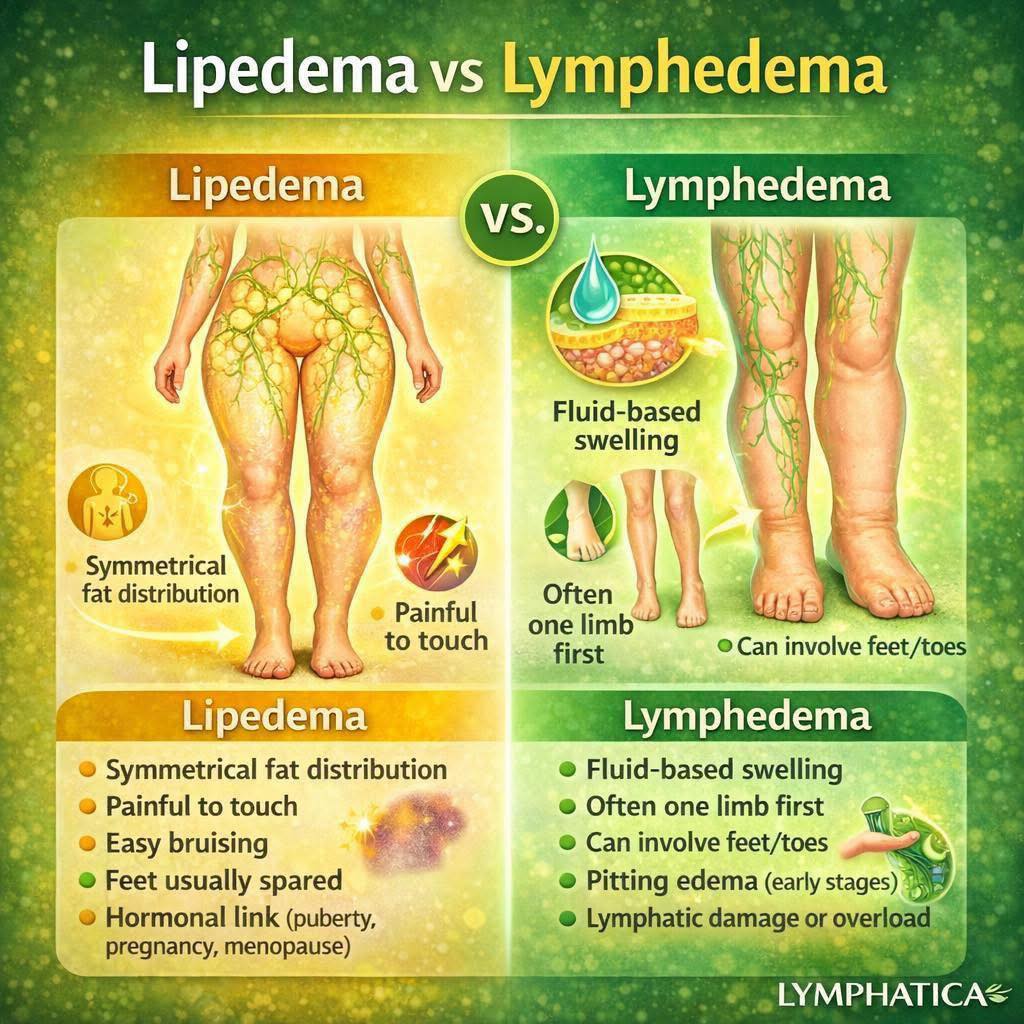
Lipoedema vs Lymphodema
May 1, 2026
Lipoedema vs Lymphoedema (note that these can be commonly spelt as Lipedema, Lipoedema, Lymphoedema and Lymphedema So many people live in bodies that don’t behave the way doctors, diets, or fitness advice say they “should”. And too often, they’re told it’s their fault Let’s gently unpack what might really be happening Lipoedema Lipoedema is a […] More...
-

Housekeeping Update
March 22, 2026
I have been doing a maintenance update across the board. Here’s some what’s new. 1. I have enabled “create profile” login option when you book your appointments. This means you can now view and manage all your appointments from your own login. Pretty fab! You can still continue as “Guest” and have the individual booking […] More...
-
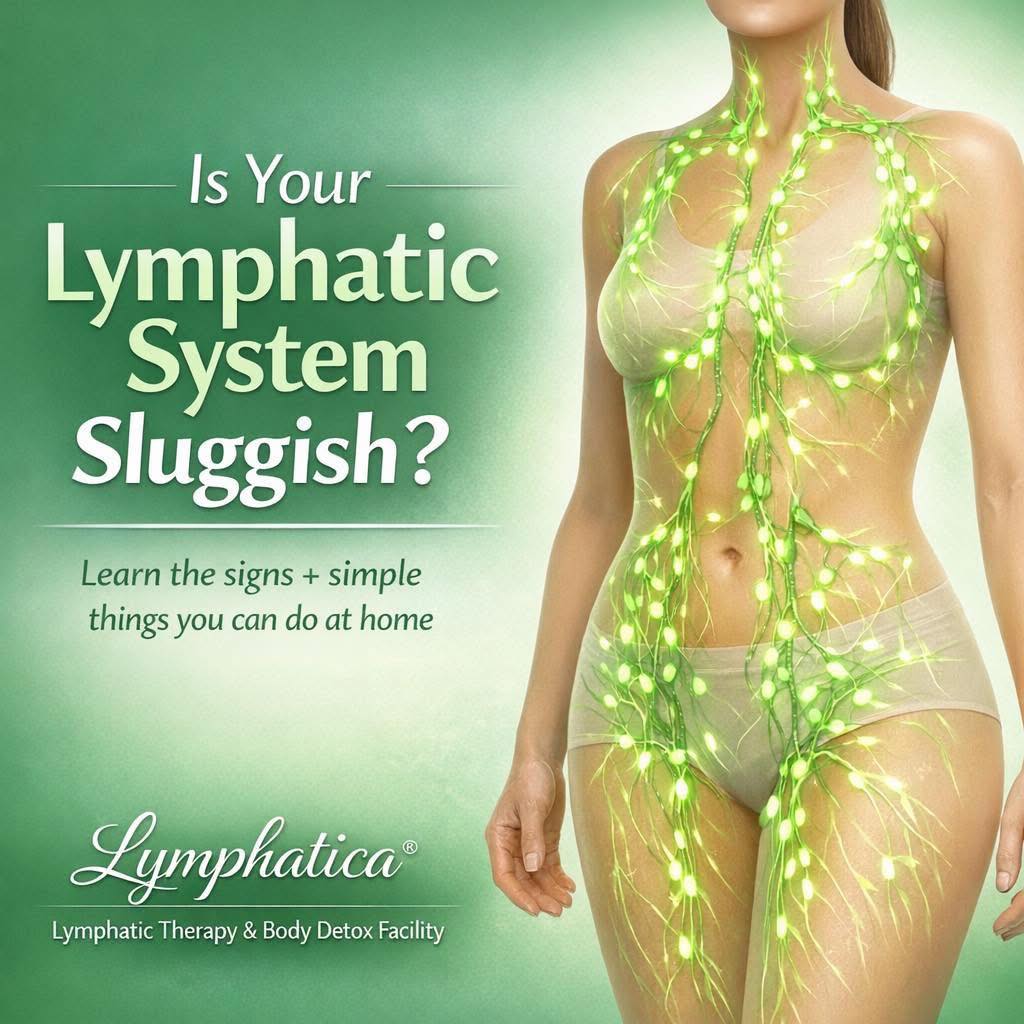
Is your Lymphatic System Feeling Sluggish?
January 14, 2026
Is Your Lymphatic System Feeling Sluggish? (And what your body is quietly asking for) If you’ve ever felt puffy, heavy, foggy, inflamed, or just “not yourself”, your body may not be broken — it may simply be asking for lymphatic support The lymphatic system is one of the most misunderstood yet vital systems in the […] More...
-
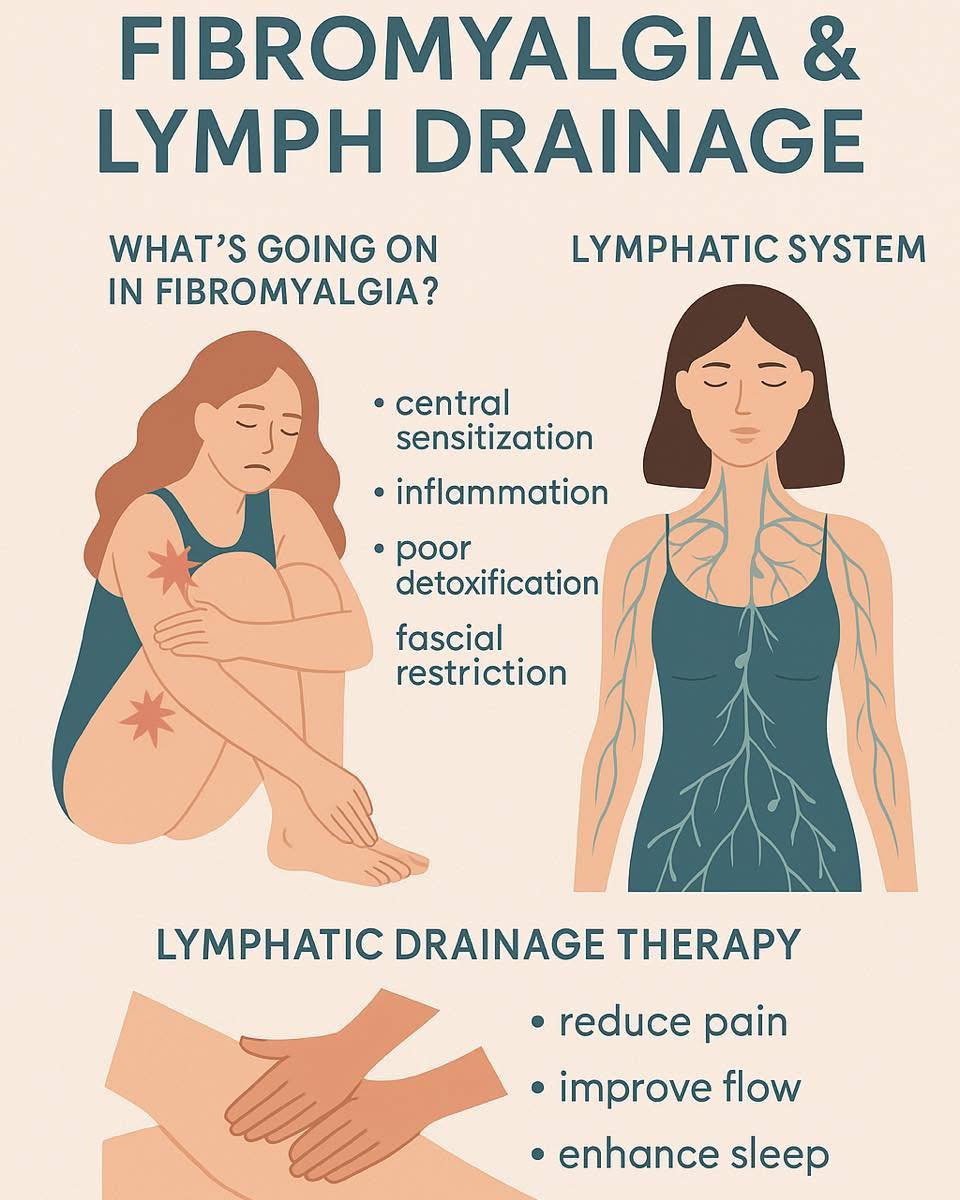
Fibromyalgia and manual lymphatic drainage
September 7, 2025
A shout-out with full credit to the team at Lymphatica in SA for another outstanding information post and information image. This one is for all my fibromyalgia clients out there. Did you know that MLD with Therapeutic Electrostatic Oscillation Therapy is a lovely supportive and gentle treatment? Ask me about this when you are next […] More...
-

Lymphatics and your wellbeing – why it’s more than swelling and puffiness
September 2, 2025
If you follow me on the socials, you may have noticed I repost from Bianca and team at Lymphatica Therapy and Body Detox based in South Africa. An absolutely outstanding free resource that is researched and not only covers lymphatic health but also other areas in wellbeing. I thoroughly recommend following If you look after […] More...
-
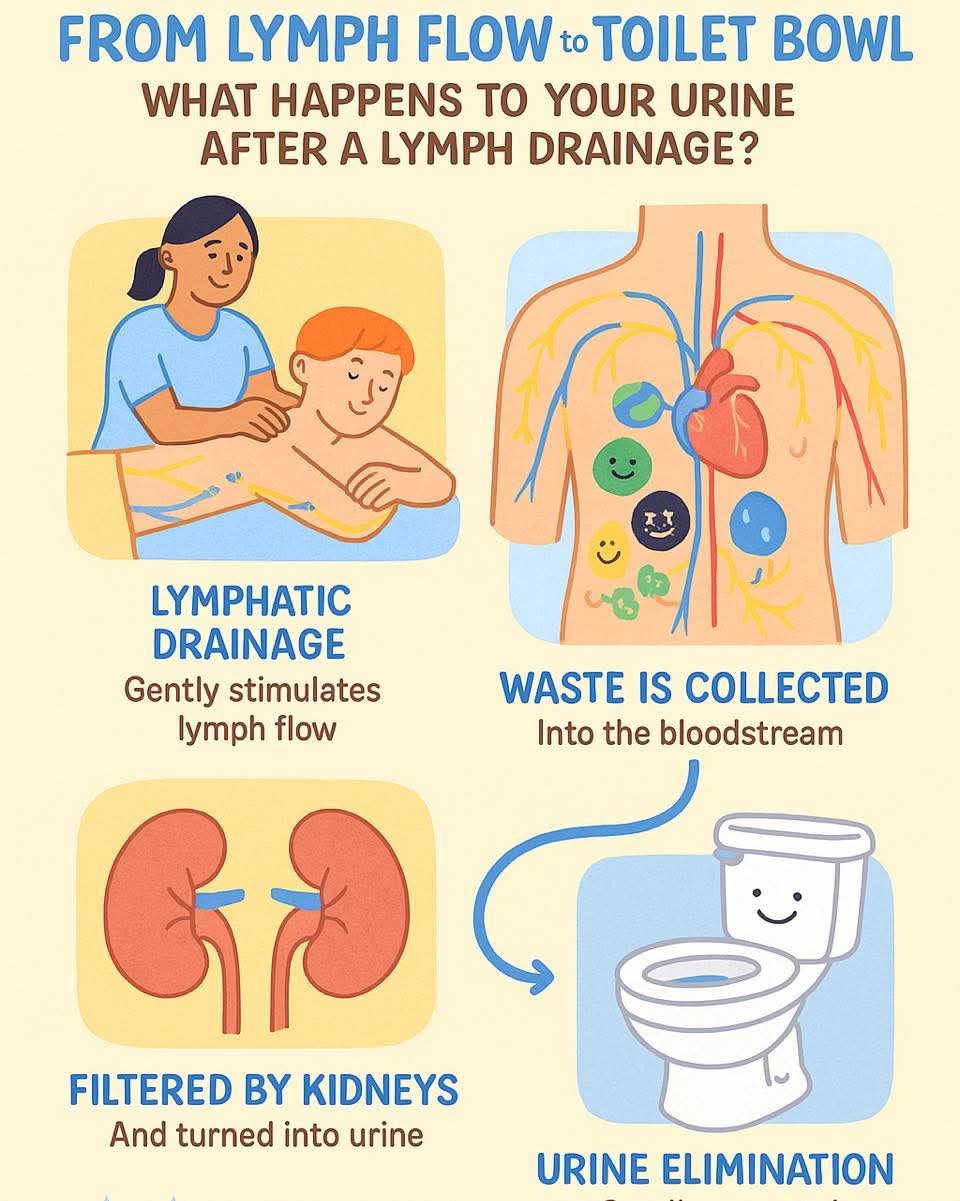
What happens when you have lymphatic drainage?
May 30, 2025
I am obsessed about the lymph facts and details being posted by Lymphatica – Lymphatic Therapy and Body Detox Facility and had to pop this up! I had a wee (tee hee) giggle as I was explaining this process today today to new clients 😄 💧From Lymph Flow to Toilet Bowl: What Happens to Your […] More...
-

Tummy Love!
August 19, 2024
Felling a bit bloated or having digestive issues? Try the Tummy Love treatment option where I combine manual lymph drainage and deep oscillation therapy. Not only is this for a gentle and relaxing it is very effective. 30 minute or 45 minute treatment times available! More...
-

Feeling a bit congested in the face? Time for a lymph facial treatment
July 4, 2024
The Winter season is upon with lots of sinus and post Covid issues causing lots of sinus or congestion in the face resulting in you feeling puffy and blocked.. I have a targeted Face Lymph Therapy treatments that can help relieve that post-viral load, reduce the swelling and give you a lovely relaxing treatment. Book […] More...
-

Surgery Aftercare and Manual Lymphatic Drainage Massage
June 3, 2024
The past couple of weeks I have been helping a number of clients recover from post cosmetic surgery. I am also prepping other clients with a pre-surgical manual lymphatic drainage massage (MLD) boost. The amazing Kathleen Lisson CLT has just posted this from Dr Gould on why you should be including MLD as part of […] More...
-
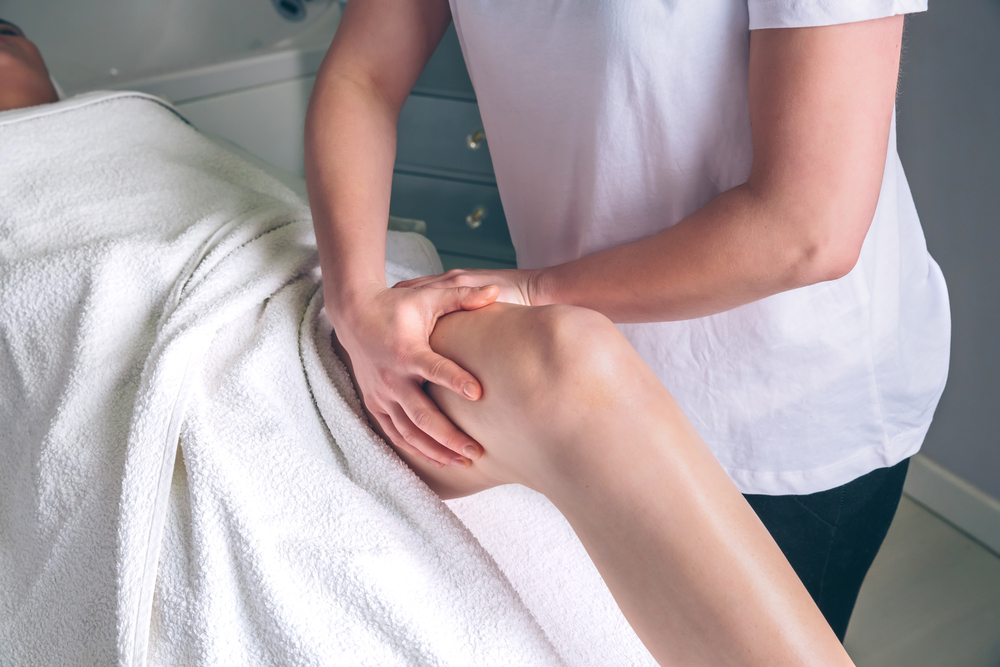
Lymphatic wellness in the news!
January 25, 2023
Great to see Claire Boyce talking about the benefits of manual lymphatic drainage (MLD) on the TV Three AM show earlier this week. Not all Therapists / Practitioners will be trained the same as there is a varied range of training out there. Please do your research to ensure the person who lays hands on […] More...
-
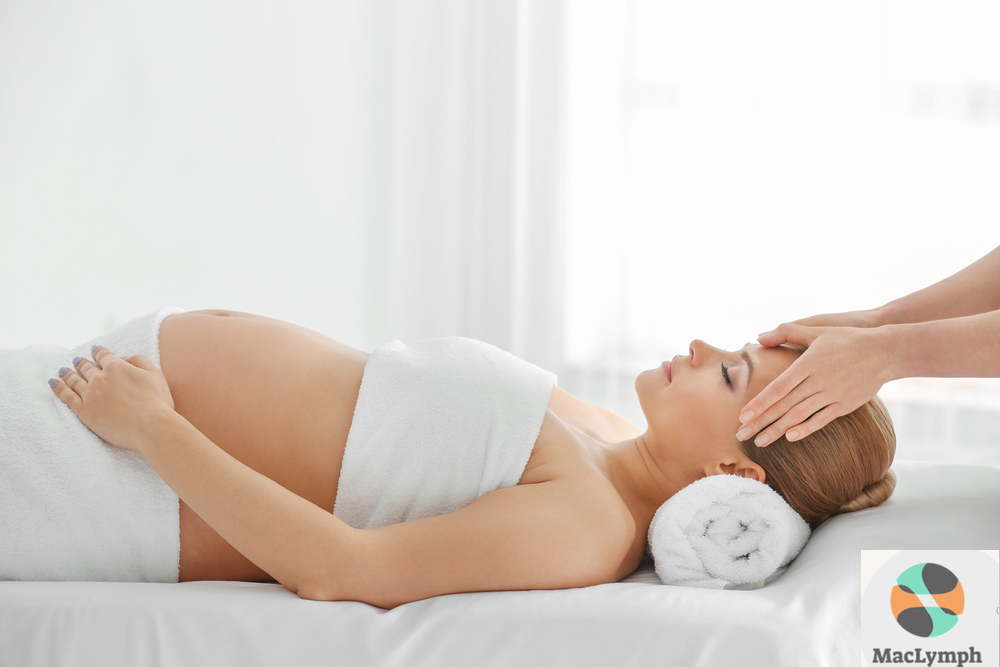
Pregancy and Manual Lymphatic Drainage
December 18, 2022
Yes! Manual Lymphatic Drainage (MLD) is great for supporting pregnancy and post pregnancy. I’ve popped up a page on the main website to discuss this more. Reach out if you want further information! More...
-

Summer and maintaining your lymphatic wellbeing
January 13, 2021
Welcome to 2021! With the heat and humidity cranking it up, you may find your lower legs are starting to swell or you are feeling “uncomfortable” in you abdomen. Think deep belly breathing regularly throughout the day to “move that lymph”, keep yourself as cool as possible, keep hydrated and where possible do some safe […] More...
-
Want to know more about the lymphatic system and the benefits of lymphatic massage aka MLD?
July 14, 2020
This fun but informative YouTube Clip by Shannon Goins, CLT who is a US based Lymphatic Practitioner just made this available. I think it rocks but would love to know what you think. This video shows you: What the lymphatic system is How the lymphatic system does its job How the lymphatic system can get […] More...
-
Head and Neck Lymphoedema Management
November 28, 2019
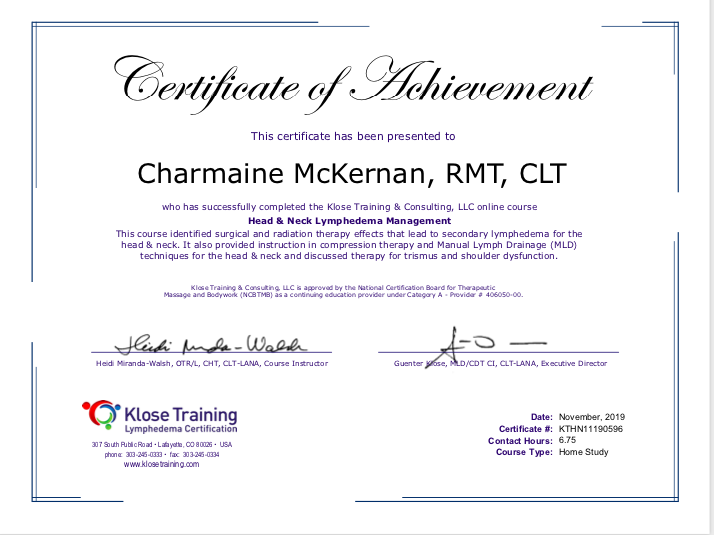
I am absolutely delighted to announce I have completed with the Klose School for Lymphoedema Management a wonderful course on Head and Neck for post surgery / radiation therapy.
This course identified surgical and radiation therapy effects that lead to secondary lymphoedema for the head and neck. It also provided instruction in compression therapy and Manual Lymphatic Drainage (MLD) techniques for the head and neck and discussed therapy for trismus and shoulder dysfunction. More...